








Finding accessible local transport for older adults
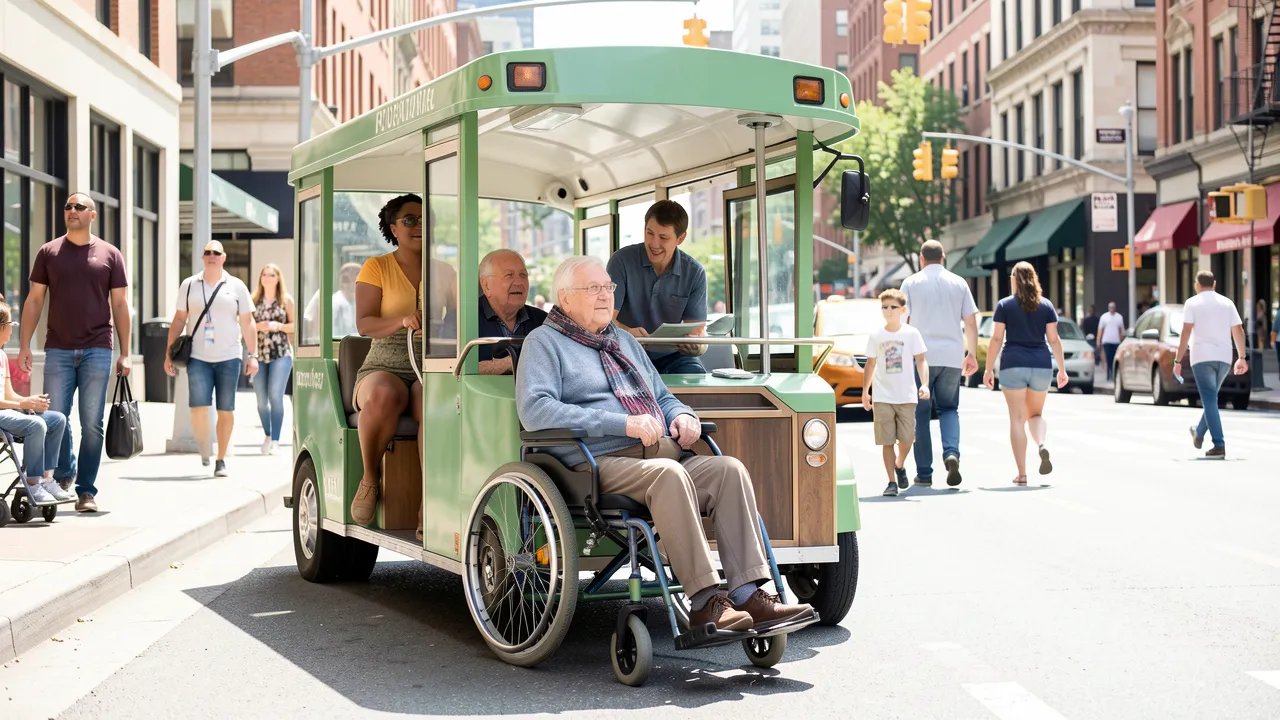
Finding accessible local transport can make everyday life easier, safer and more enjoyable for older adults. Whether you are travelling to a medical appointment, visiting friends, attending a club or doing the weekly shopping, the right service can support independence without adding unnecessary stress. A little research before you travel can help you find options that match your mobility needs, budget and preferred level of support.
Start with the journeys you make most often
Begin by listing the places you visit regularly. This may include your GP surgery, pharmacy, supermarket, place of worship, library, community centre or relatives’ homes. Note the days and times you usually travel, along with any barriers you have encountered, such as steep steps, a distant bus stop or long waiting times.
This simple review helps you identify whether a standard bus route is suitable or whether you would benefit from a door-to-door service. You may find that one type of transport works well for short local trips, while another is more comfortable for longer journeys or hospital visits.
If family members regularly visit, transport planning can also support a more connected home life. Ideas for making a property practical and welcoming can be found in Renovating a Guadeloupe home for multigenerational family visits, including ways to prepare for guests of different ages and abilities.
Local buses can be more accessible than you expect
Many local bus operators now use low-floor vehicles with ramps, priority seating and dedicated spaces for wheelchairs or mobility scooters. Audio and visual announcements can also help you follow the route with greater confidence, particularly if you are unfamiliar with the area.
Before relying on a new route, check the operator’s website or call its customer service team. Ask whether the buses on your chosen service have step-free access, how much room is available for mobility equipment, and whether drivers can assist with deploying a ramp. It is also useful to ask about the location of stops, since a fully accessible bus is less helpful if the pavement leading to it is uneven or poorly lit.
A free or reduced-fare concessionary pass may be available through your local council, depending on your age and location. In England, eligible residents can often travel free on local buses at off-peak times. Your council website can explain the application process and any local variations.
Community transport offers door-to-door support
Community transport schemes can be particularly helpful when public buses do not serve your destination or when walking to a stop is difficult. These services are often run by charities, local organisations or volunteer groups. They may provide accessible minibuses, dial-a-ride vehicles, volunteer driver schemes and escorted trips.
Some schemes require advance registration, while others ask you to book several days ahead. When you first contact a provider, explain your needs clearly. Mention whether you use a wheelchair, walking frame, oxygen equipment or folding mobility scooter. Ask whether the driver can help you from your front door to the vehicle, and whether someone can travel with you if needed.
Social outings are another valuable part of local transport planning. Engaging Community Events for Seniors in Buckinghamshire offers useful ideas for activities that may be reachable through community minibuses, shared lifts or organised group travel.
Taxis and private hire vehicles need advance checks
Accessible taxis can provide a convenient alternative when timing is tight or a destination is difficult to reach by bus. However, not every taxi can safely carry a wheelchair or provide appropriate assistance. Booking in advance gives you more control over the journey.
When calling a company, state exactly what you require. You might ask for a wheelchair-accessible vehicle, a driver who can assist with luggage, or a car with enough space for a walker. Confirm the fare, waiting time, payment method and whether the driver will help you enter and leave the vehicle.
For regular appointments, consider asking whether the firm can arrange the same driver where possible. Familiarity can make journeys feel calmer, especially if you have reduced vision, hearing loss or memory concerns. Keep the company’s number somewhere easy to find, such as beside the telephone or saved under a clear contact name on your mobile.
Safe travel planning can reduce anxiety
A few practical steps can make a substantial difference. Keep your phone charged, carry essential medication where appropriate, and bring a small card with emergency contacts and relevant medical details. If you use a smartphone, share your journey with a trusted relative or friend when travelling alone.
Try a new route at a quiet time before using it for an appointment. You can check where the stop is located, estimate walking distances and identify nearby places to sit if you arrive early. For evening travel, choose well-lit collection points and avoid standing alone in isolated areas where possible.
For people living in supported or sheltered accommodation, transport choices work best alongside a wider personal safety plan. Senior Safety in Sheltered Housing - Independent Living Tips discusses everyday measures that can help you feel more secure while maintaining independence.
These practical choices can make local travel easier
When you compare services, focus on comfort as well as cost. The least expensive option may not be the best choice if it requires a long walk, several changes or an uncertain return journey. Reliable transport supports independence, but it should also leave you feeling safe and respected.
Keep these points in mind when arranging accessible local travel:
- Check whether buses, taxis and community vehicles can accommodate your mobility equipment.
- Ask about assistance from drivers, booking rules and return journey arrangements.
- Apply for concessionary travel schemes offered by your local authority.
- Test unfamiliar routes before using them for time-sensitive appointments.
- Save trusted transport numbers and carry emergency contact details.
- Consider travelling with a companion when visiting a new destination.
Accessible transport can help you stay connected locally
The best transport option is the one that fits your own routines, abilities and preferences. By combining public services, community schemes and trusted private providers, you can create a flexible travel plan for appointments, social events and everyday errands. A well-planned journey can preserve both confidence and choice, helping you remain active in the local community.