







How to choose the right retirement community

Choosing a retirement community is a personal decision that affects daily comfort, independence, health, and social connection. The right setting should feel welcoming while also providing the level of support you may need now or later. By comparing communities carefully, asking direct questions, and visiting more than once, you can make a choice that supports a fulfilling and secure retirement.
Start with your preferred lifestyle and level of support
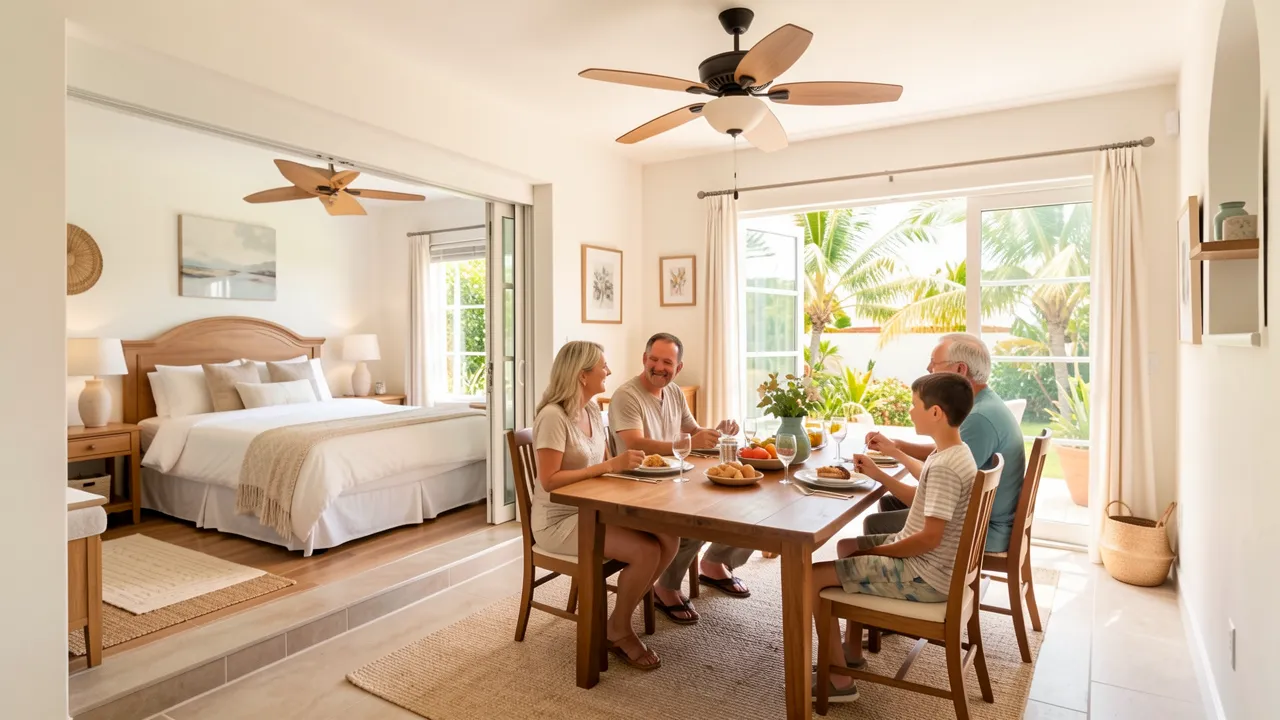
Before arranging visits, consider what you want your day-to-day life to look like. Some people value a quiet home with gardens and private space, while others prefer a busy calendar of activities, shared meals, and regular social contact. Your ideal community should fit your personality, routines, and interests rather than asking you to adapt to an unsuitable environment.
Think about the support you require at present. Independent retirement living may suit you if you manage personal care, medication, and household tasks comfortably. Assisted living can offer help with washing, dressing, meals, and mobility. Some communities also provide nursing or dementia care, which can offer reassurance if your needs change over time.
Write down your priorities before you begin comparing options. These might include:
- A private flat or room with an accessible bathroom
- Freshly prepared meals and dietary flexibility
- Gardens, walking routes, or outdoor seating
- On-site care staff, day and night
- Religious services or cultural activities
- Opportunities to keep pets or receive visitors
A clear list helps you focus on the features that genuinely affect your wellbeing, rather than being distracted by attractive but less relevant details.
Visit communities and pay attention to everyday life
A brochure can provide useful facts, but an in-person visit reveals how a community feels. Arrange a tour at different times of day if possible. A weekday morning may show staff routines, while an afternoon or weekend visit can reveal the atmosphere during activities and family visits.
Observe whether residents appear comfortable and engaged. Listen to how team members speak to them. Staff should be respectful, patient, and familiar with residents’ preferences. Notice practical details too: cleanliness, lighting, noise levels, room temperatures, and the condition of shared spaces.
Ask to see more than the reception area. Visit a sample accommodation, dining room, garden, activity space, and any health or therapy facilities. If you are considering a community that provides meals, request a chance to eat there. The quality, choice, and timing of food can have a major effect on your satisfaction.
Social life deserves close attention. A varied programme can make it easier to build friendships and maintain interests. You may find useful ideas in Engaging Community Events for Seniors in Buckinghamshire, including the kinds of activities that encourage connection without creating pressure to participate.
Check care standards, staffing, and future options
Even if you are currently independent, your needs may change. Ask whether the community can increase care without requiring a move to a different location. Staying in familiar surroundings can reduce stress and help you maintain established relationships.
Request clear information about staff training, qualifications, and availability. Find out who is on duty overnight, how emergencies are handled, and whether a nurse is available on site. You can also ask about staff turnover. A stable team often means residents receive more consistent and personal support.
Look at official inspection reports and online reviews, but treat every source as one part of the picture. Reviews may reflect a single experience, while inspections focus on safety, governance, and quality of care. During your visit, ask residents and relatives about their experience if they are happy to talk.
Wellbeing support should extend beyond clinical care. Communities that encourage movement, nutritious eating, mental stimulation, and social participation can help residents preserve their independence. Wellness Tips for Senior Health in Retirement Communities offers practical areas to consider when evaluating a community’s approach to healthy ageing.
Understand the location, costs, and contract before deciding
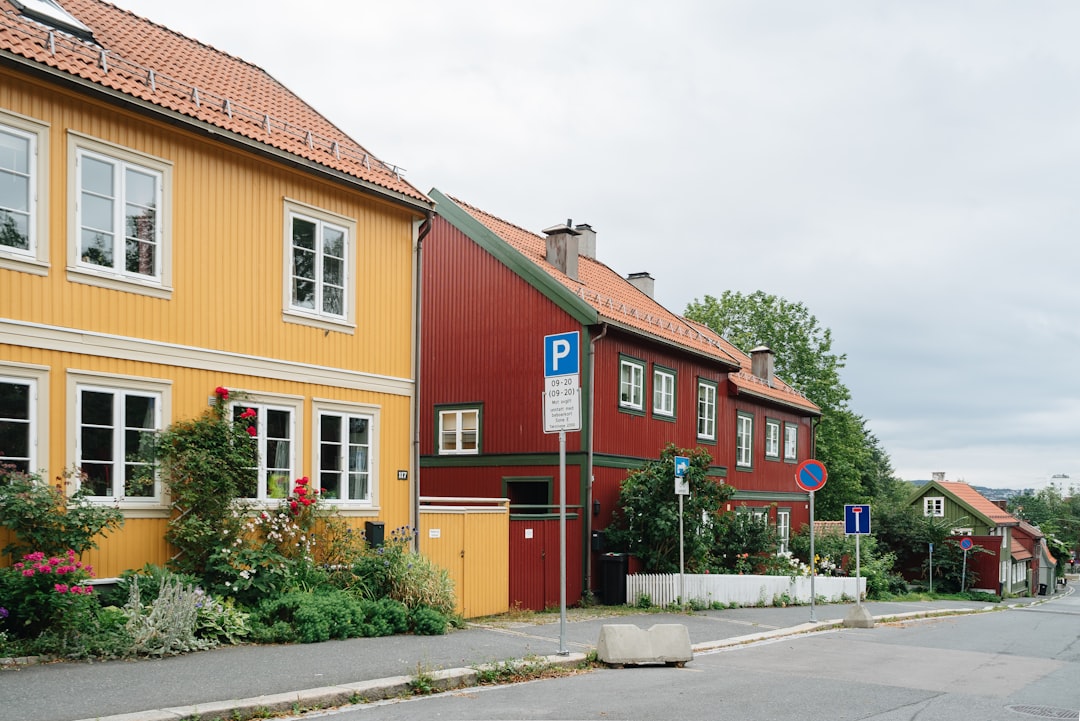
A beautiful community may not be the right choice if it leaves you isolated from family, friends, or familiar services. Consider how easily visitors can reach the site by car or public transport. Check the distance to shops, GP surgeries, hospitals, places of worship, and local amenities that matter to you.
If you no longer drive, transport can shape your independence. Ask whether the community runs a minibus service, assists with appointments, or has reliable bus and rail links nearby. Finding accessible local transport for older adults can help you assess what accessible travel arrangements may be available.
Costs should be explained in writing, with no vague promises. Ask for a full breakdown of weekly or monthly fees and establish what is included. For example, clarify whether charges cover meals, utilities, personal care, laundry, activities, transport, and maintenance. Ask how fees may rise and what happens if your financial circumstances change.
Read the contract carefully before signing. A trusted family member, solicitor, or independent financial adviser can help you review the terms. Pay particular attention to notice periods, deposits, refunds, additional care fees, and policies for moving out.
Make a choice that feels secure and personal
The right retirement community should offer more than accommodation. It should provide a home that supports your choices, protects your dignity, and gives you opportunities to enjoy life on your own terms.
Before making your final decision, remember to:
- Compare several communities using the same list of questions.
- Visit at least twice, ideally at different times.
- Speak with residents, families, and staff where possible.
- Check care provision for both current and future needs.
- Review all costs, services, and contract conditions in detail.
- Consider travel links and how easily loved ones can visit.
Find a retirement community where you can thrive
A thoughtful decision now can create greater confidence for the years ahead. Choose a community that matches your preferred lifestyle, provides dependable care, and makes room for the people and activities you value. When a place feels comfortable, respectful, and genuinely suited to you, it can become a positive new chapter in retirement.