







Gentle balance exercises to help prevent falls
Falls can affect confidence as much as physical comfort, especially when everyday tasks begin to feel uncertain. Gentle balance exercises offer a practical way to support steadiness, mobility and independence. When practised regularly and adapted to your needs, they can help you move around your home or senior living community with greater reassurance.
Balance training can fit comfortably into your daily routine
You do not need specialist equipment or long workout sessions to work on balance. A sturdy chair, a clear area of floor and supportive footwear are often enough. Start slowly, keep a stable surface within reach and stop if you feel dizzy, unwell or in pain.
Aim for short sessions of around 10 to 15 minutes, two or three times each week. Consistency tends to be more useful than pushing yourself too hard on one day. If you have recently fallen, live with a medical condition or use a walking aid, ask a GP, physiotherapist or qualified exercise professional for advice suited to you.
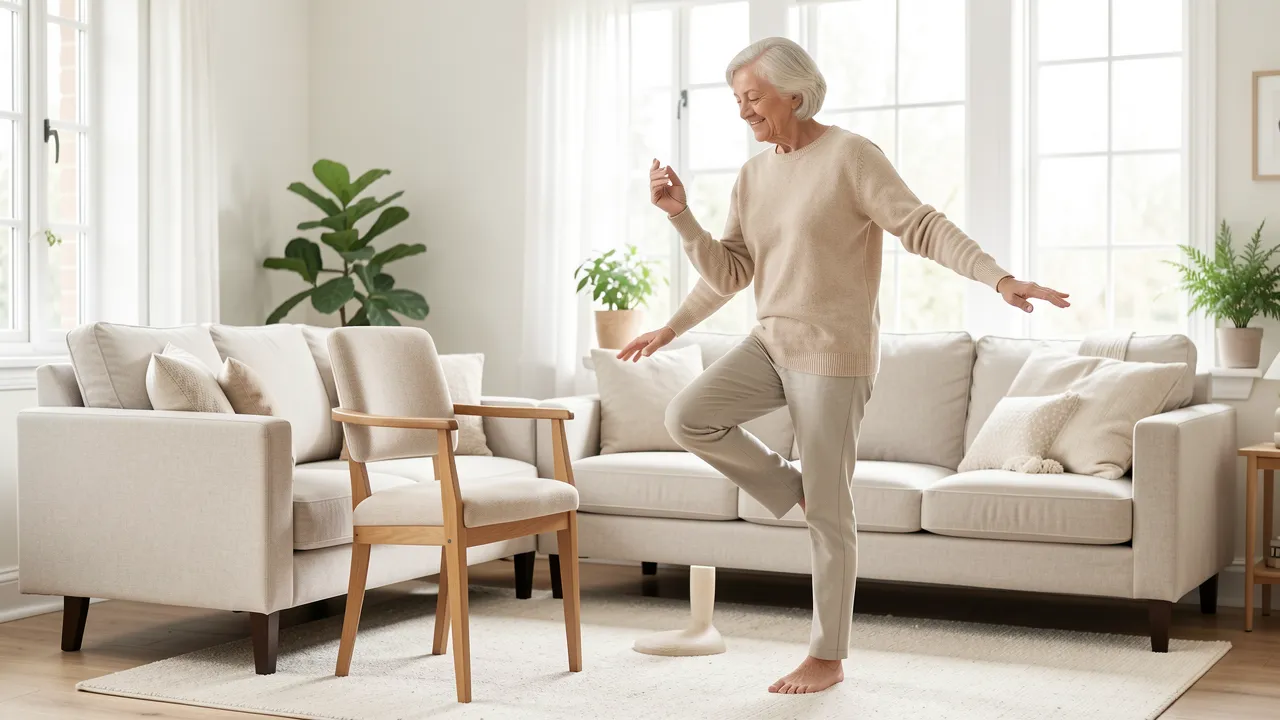
A good starting point is standing tall with support. Place both hands on the back of a firm chair, position your feet hip-width apart and gently lengthen through your spine. Keep your shoulders relaxed and look ahead rather than down at your feet. Hold this position for 20 seconds while breathing normally.
This simple posture exercise helps you notice how your weight is distributed through both feet. Over time, you may feel ready to reduce your grip so that only your fingertips touch the chair.
Simple standing movements strengthen your sense of stability
Gentle movements that challenge your stance can improve coordination and leg strength. Perform each one close to a kitchen counter or solid chair. Keep the space free from loose rugs, cables and clutter.
Try heel-to-toe standing with a secure support nearby
Stand sideways beside a counter and hold it lightly. Place one foot directly in front of the other, so the heel of the front foot is close to the toes of the back foot. Hold for up to 10 seconds, then swap your feet.
At first, leave a small gap between your feet if the full heel-to-toe position feels too difficult. As your confidence improves, narrow the gap gradually. Repeat three times on each side.
Practise controlled weight shifts
Stand with your feet slightly apart and your hands resting on a chair back. Slowly shift your weight onto your right foot without lifting the left foot. Pause, then move your weight to the left.
Try 10 shifts in each direction. Keep the movement small and controlled. This exercise can be particularly useful for preparing to turn, reach for an item or step around furniture.
Physical steadiness works alongside broader healthy habits. Wellness Tips for Senior Health in Retirement Communities offers further ideas for maintaining mobility, energy and social connection in later life.
Seated exercises provide a gentle place to begin
If standing feels uncomfortable, seated movements can prepare your body for more active balance practice. Choose a chair that does not have wheels and place it against a wall if needed. Sit toward the front edge, with both feet flat on the floor.
Lift one knee a few inches, lower it with control, then repeat with the other leg. Continue for 10 repetitions on each side. You can then try ankle circles, rotating each foot slowly in both directions.
Another useful exercise is the seated march. Raise alternate knees in a steady rhythm, keeping your chest lifted and avoiding any sudden movements. This supports hip flexibility and leg control, both of which contribute to safer walking.
Well-being also has an emotional and social dimension. For ideas that support a calm, connected routine, read Enhancing Spiritual Well-being for Seniors in Catholic Life.
Everyday movements can become safe balance practice
Many ordinary activities offer opportunities to build confidence. When you are waiting for the kettle to boil, hold the counter and practise lifting one heel at a time. While brushing your teeth, stand with your feet comfortably apart and gently shift your weight from side to side.
You might also practise sit-to-stand movements. Sit in a sturdy chair with your feet beneath your knees. Lean forward slightly, press through your feet and stand up slowly. Pause, then lower yourself back down with control. Use the chair arms or your hands if necessary.
Complete five repetitions, resting between each one. This movement strengthens the thighs and hips, which can make rising from a chair, getting out of bed and using the toilet easier.
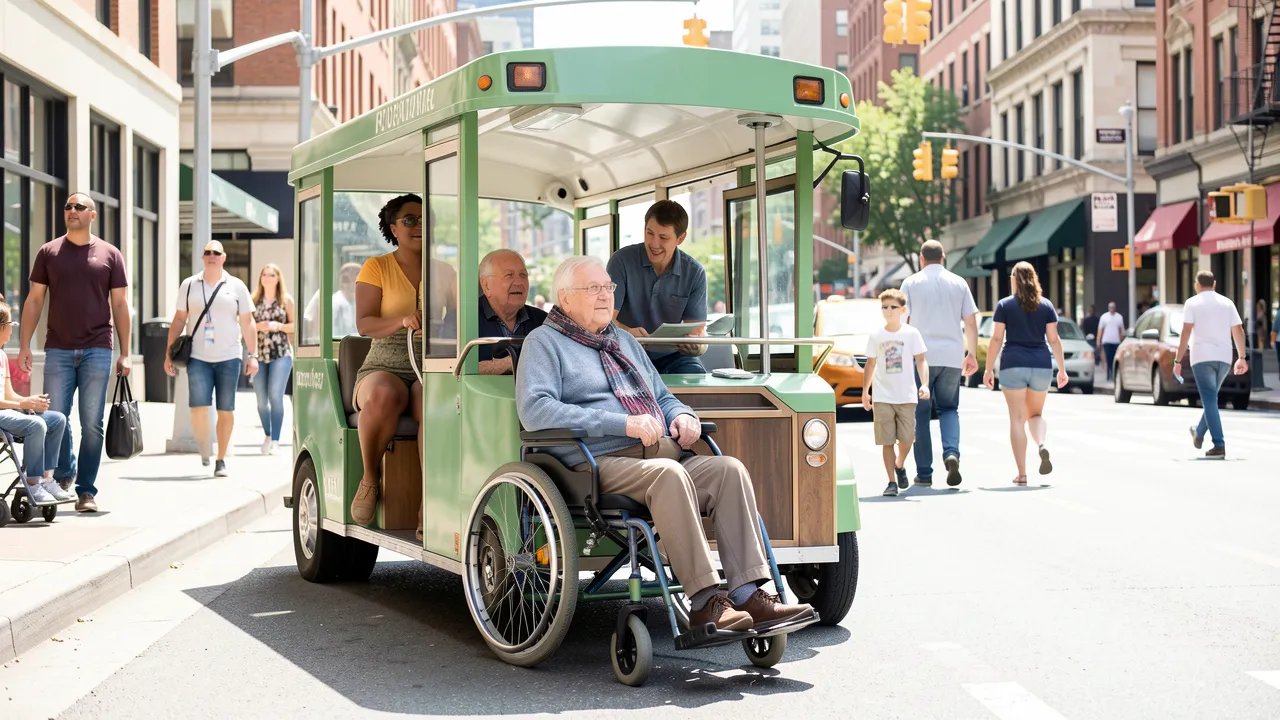
Confidence outside the home matters too. Planning journeys, choosing suitable footwear and allowing extra time can reduce the pressure of moving around unfamiliar places. Finding accessible local transport for older adults can help you consider practical travel options that support safer, more independent outings.
Small safety checks make exercise more comfortable
Balance work should feel challenging but manageable. Choose a time when you are alert, wear secure shoes and keep water nearby. Avoid exercising immediately after a large meal or when you are feeling unusually tired.
Remember these helpful habits:
- Keep a chair, counter or rail within easy reach.
- Move slowly and breathe normally throughout each exercise.
- Wear shoes with non-slip soles rather than loose slippers.
- Build repetitions gradually instead of rushing progress.
- Speak to a healthcare professional after a fall, new dizziness or a noticeable change in walking.
A steadier routine can support independence
Gentle balance exercises can become a reassuring part of your weekly wellness routine. By practising safe standing, weight shifting, seated movements and controlled rises from a chair, you can support stronger everyday mobility. Start with what feels comfortable, make your surroundings secure and allow progress to develop at your own pace.