







Renovating a Guadeloupe home for multigenerational family visits
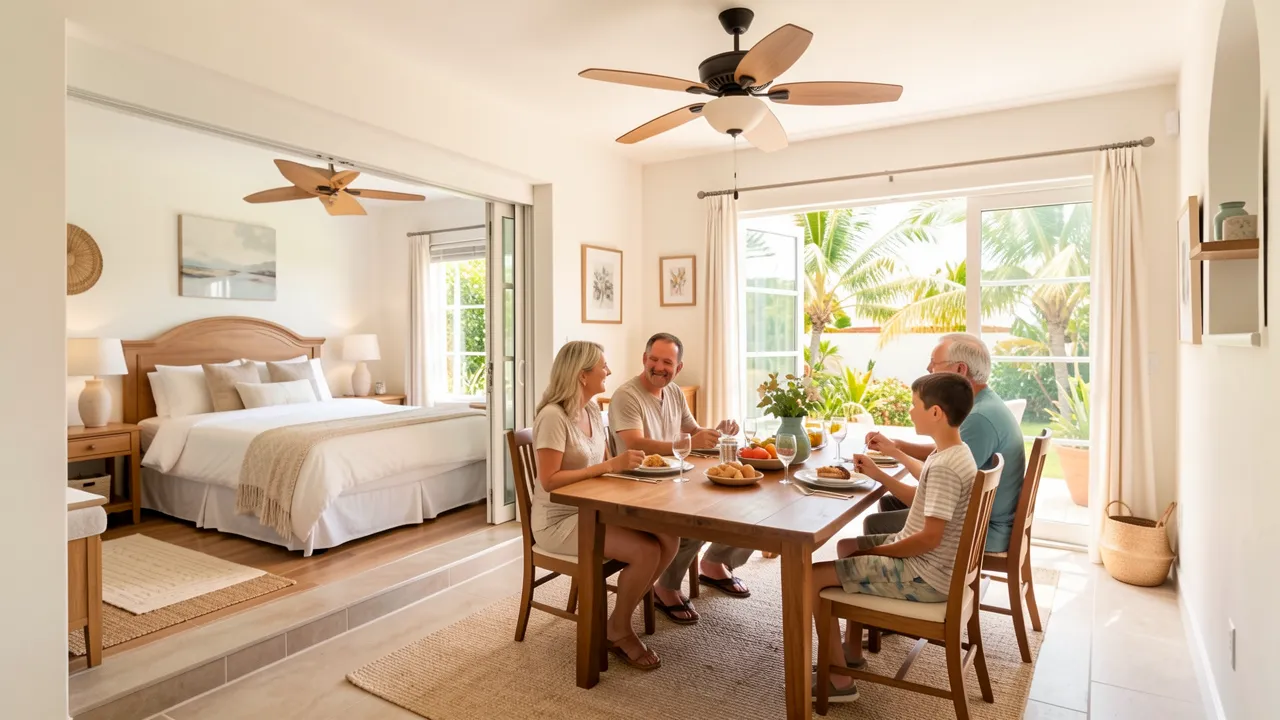
A Guadeloupe home can become a welcoming base for grandparents, adult children and young visitors without losing its tropical character or everyday practicality. When relatives stay for several days or weeks, comfort depends on more than an extra bed. Clear circulation, manageable temperatures, safe bathrooms and flexible shared spaces help every generation feel at ease. A thoughtful renovation also allows you to protect family routines while preparing the property for changing needs over time.
Start with a family-focused renovation plan
Before choosing finishes or furniture, map how your household uses the home during a typical family visit. Note where older relatives sleep, how they reach the bathroom at night, where meals take place and whether children need a quieter play area. This review often identifies small obstacles, such as narrow passages, slippery thresholds or insufficient bedside lighting, that can be addressed early.
For practical guidance on construction and renovation projects in the archipelago, you can visit this portal. Guadeloupe renovation work requires attention to humidity, salt air, strong sunlight and periods of heavy rain. Local construction choices, including ventilation systems, moisture-resistant materials and durable exterior fittings, affect both comfort and long-term maintenance. Planning these details with qualified local tradespeople can prevent unsuitable products from being installed.
Set a realistic project brief that separates daily needs from optional upgrades. A ramp at the entrance, for instance, may serve a visitor with reduced mobility while also making it easier to carry luggage, groceries or a stroller. Accessible design can support the whole family, rather than making the house feel medical or restrictive.
Create a guest room that supports older relatives
A senior-friendly guest room should offer privacy, good rest and simple access to essential items. If possible, place it on the ground floor, near a bathroom and away from noisy gathering zones. Avoid using a room that requires steep stairs, passing through another bedroom or navigating an uneven outdoor path.
Choose a bed with a stable frame and a height that allows a person to sit and stand comfortably. Leave clear space on both sides, especially on the side nearest the door. A firm bedside table, a reading lamp with an easy switch and reachable charging points reduce unnecessary movement at night.
Flexible furniture keeps the room useful year-round
A guest room does not need to remain empty between visits. A daybed, a compact desk and a closed wardrobe can allow the room to function as a reading room, home office or hobby space during the rest of the year. When guests arrive, the space can return to its primary purpose without moving large amounts of furniture.
Use closed storage for spare bedding, towels, medication supplies and a lightweight fan. In humid conditions, breathable cotton linens and washable mattress protectors are often more practical than heavy decorative fabrics. A calm, uncluttered layout improves safety and comfort for guests of all ages.
Upgrade bathrooms and circulation for safer stays
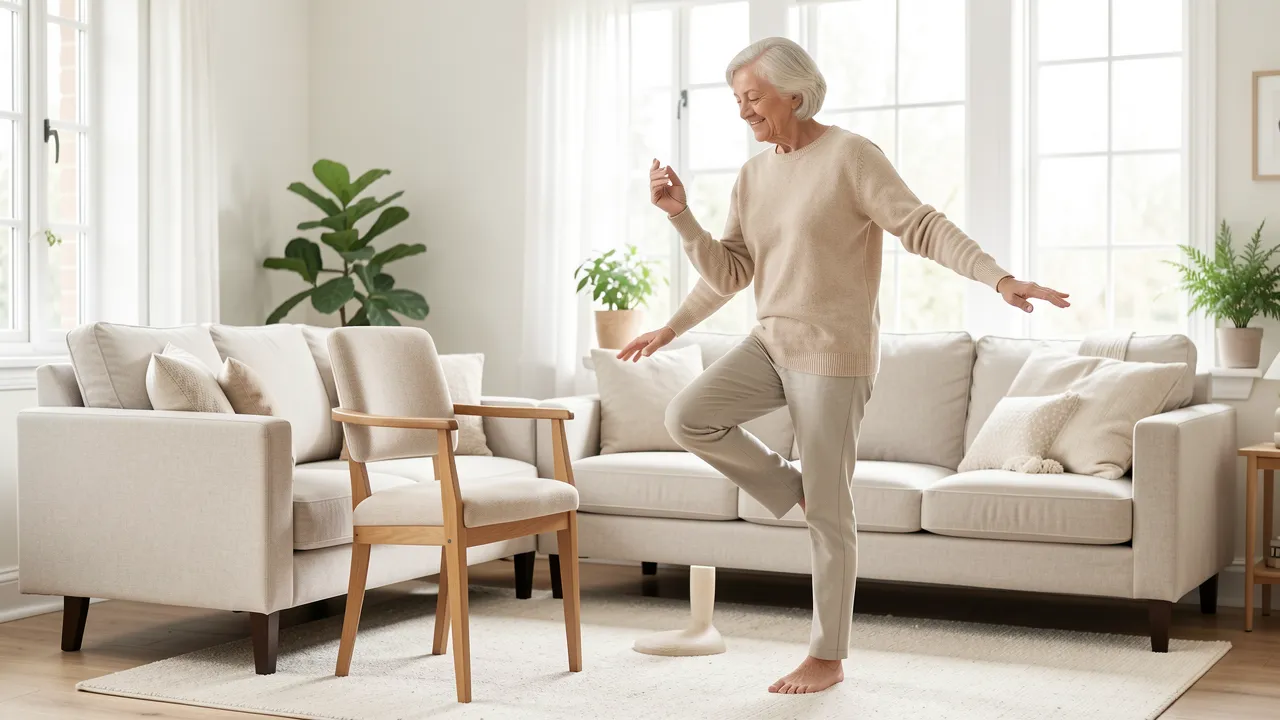
Bathroom improvements often provide the greatest day-to-day benefit for older visitors. A walk-in shower with a gently sloped floor can reduce trip risks, provided drainage is designed properly for tropical downpours and frequent use. Non-slip flooring, wall-mounted grab rails and a handheld shower head make the room more adaptable without changing its appearance dramatically.
Consider a raised toilet seat or comfort-height toilet if space and budget allow. Good ventilation is equally valuable, as moisture can encourage mould and make floors harder to maintain. Select fittings that resist corrosion, particularly in coastal areas exposed to salt-laden air.
Beyond the bathroom, review the path from the entrance to the bedroom, kitchen and terrace. Remove loose rugs, repair cracked tiles and improve lighting around exterior steps. Motion-sensor lights near entrances can help relatives move safely after an evening meal while limiting energy use.
Adapt the home to Guadeloupe’s tropical climate
Comfort for senior visitors depends heavily on indoor temperature and air quality. Cross-ventilation, shaded openings and ceiling fans can reduce reliance on air conditioning while keeping bedrooms more pleasant. Where air conditioning is used, choose quiet units and ensure filters and drainage lines receive regular maintenance.
Solar control also matters. Shutters, awnings and insulated roofing can limit heat gain during the hottest hours. On terraces, non-slip materials and covered seating make it easier for relatives to enjoy outdoor life without prolonged exposure to sun or sudden rain.
Pay attention to mosquito protection in sleeping areas. Well-fitted screens, sealed gaps around windows and practical bed nets can improve rest. These measures are particularly useful for guests who may be less accustomed to tropical insects or who need uninterrupted sleep.
Phase the work to protect household routines
A full renovation can disrupt family life, especially if relatives have already planned a visit. Divide the work into phases based on urgency and the rooms that must remain usable. Start with safety repairs, then move to the guest room and bathroom, followed by cosmetic upgrades or exterior improvements.
Discuss storage before work begins. Protect family documents, linens, mobility aids and fragile items from dust and humidity. A spare room, secure shed or short-term off-site storage can reduce clutter in active living areas. Keep a simple inventory of stored belongings so daily necessities remain easy to find.
Coordinate contractors around weather patterns and household commitments. Rainy periods can delay exterior work, while indoor tasks such as electrical updates or painting may continue with proper ventilation. A phased schedule reduces stress and avoids rushed decisions when family arrives.
A renovated Guadeloupe home can welcome every generation
A family-oriented renovation does not require turning every room into a specialist space. It means removing avoidable barriers, supporting rest and creating rooms that adapt as relatives’ needs change. By combining climate-aware construction with practical layout choices, you can make extended visits more comfortable and more enjoyable.
Key priorities for your project include:
- Choosing a ground-floor or easily accessible guest sleeping area.
- Improving bathroom safety with non-slip surfaces and supportive fittings.
- Keeping pathways clear, well-lit and free from uneven transitions.
- Using ventilation, shading and moisture-resistant materials suited to Guadeloupe.
- Planning works in phases so the household remains functional throughout the project.
Frequently asked questions about multigenerational home renovation
Which renovation should you complete first for an older relative’s visit?
Prioritise safe access, a usable bathroom and a comfortable sleeping area. Repair uneven paths, improve lighting and provide a stable bed before investing in decorative changes.
Can a small Guadeloupe home accommodate several generations?
Yes. Flexible furniture, clear storage and defined shared areas can make a compact home work well. Focus on keeping circulation open and giving each guest a quiet place to rest.
How can you control humidity in a guest room?
Use cross-ventilation, ceiling fans, window screens and moisture-resistant finishes. Check for roof leaks, maintain air-conditioning drainage and wash bedding regularly during humid periods.