

How environmental consultation shapes senior-friendly communities
For residents of retirement communities and their families, a proposed housing scheme, new road, care facility, park, or transport route can alter everyday routines. Environmental consultation gives local people a structured way to examine such proposals and share their views before key decisions are made. It can bring practical concerns into the open, from safe crossings and accessible paths to noise, shade, green space, and proximity to health services.
Environmental consultation gives communities a voice in local change
Environmental consultation is a process through which a public authority, developer, or planning body gathers views on a project or policy that may affect the environment and local living conditions. It is not simply a public announcement. Participants should be able to access understandable information, submit observations, ask questions, and see how the decision-maker responds to the issues raised.
For older residents, the environmental dimension is closely connected to independence and wellbeing. A development that removes mature trees may increase summer heat around homes. A redesigned junction may shorten a bus route but create difficult crossings. New housing can support local vitality, yet it may also place pressure on GP appointments, parking, or nearby green areas.
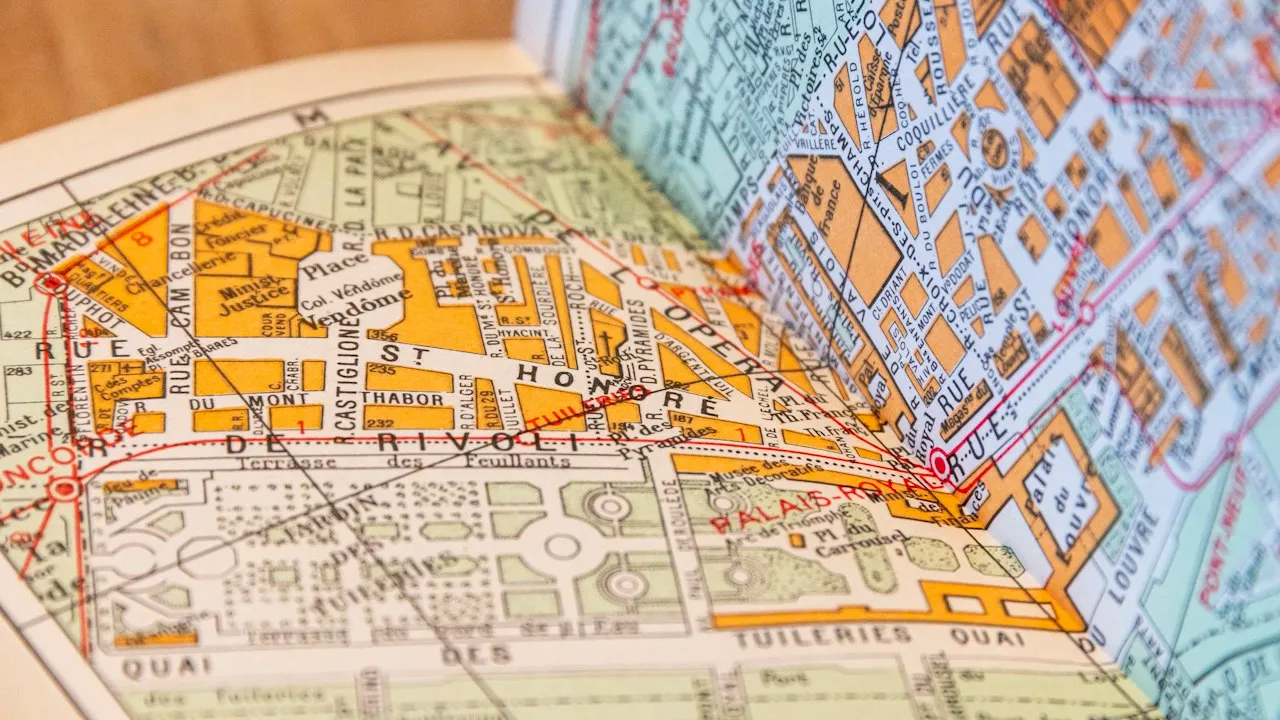
Environmental and local-development participation often involves plans, impact assessments, public inquiries, and consultation records. To understand the vocabulary and processes used in France, readers can discover this resource, which focuses on environmental consultation and public participation around territorial projects. Such resources can help residents identify the relevant documents, consultation period, and body responsible for the decision.
Urban planning consultation can address the realities of senior living
Consultation in urban planning concerns the way land, buildings, streets, public spaces, and services are planned or changed. It may occur when a municipality prepares or revises a local urban plan, considers a regeneration area, authorises a major housing project, or develops a mobility strategy.
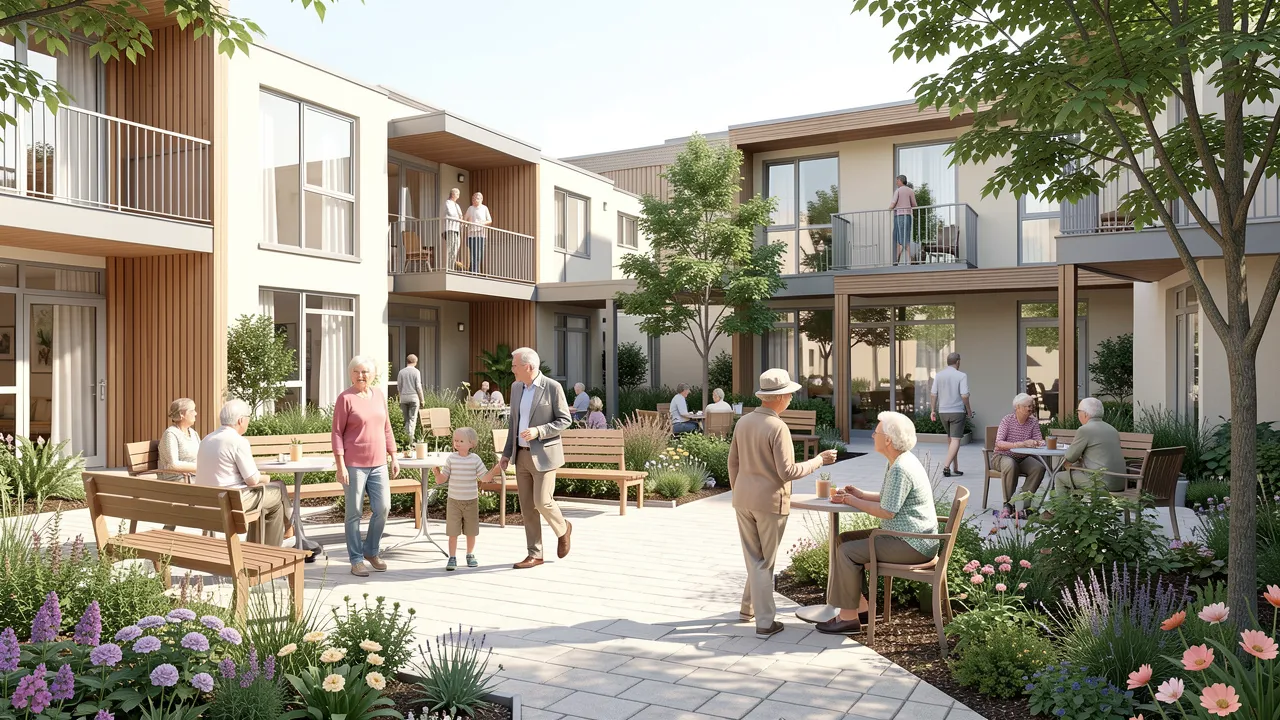
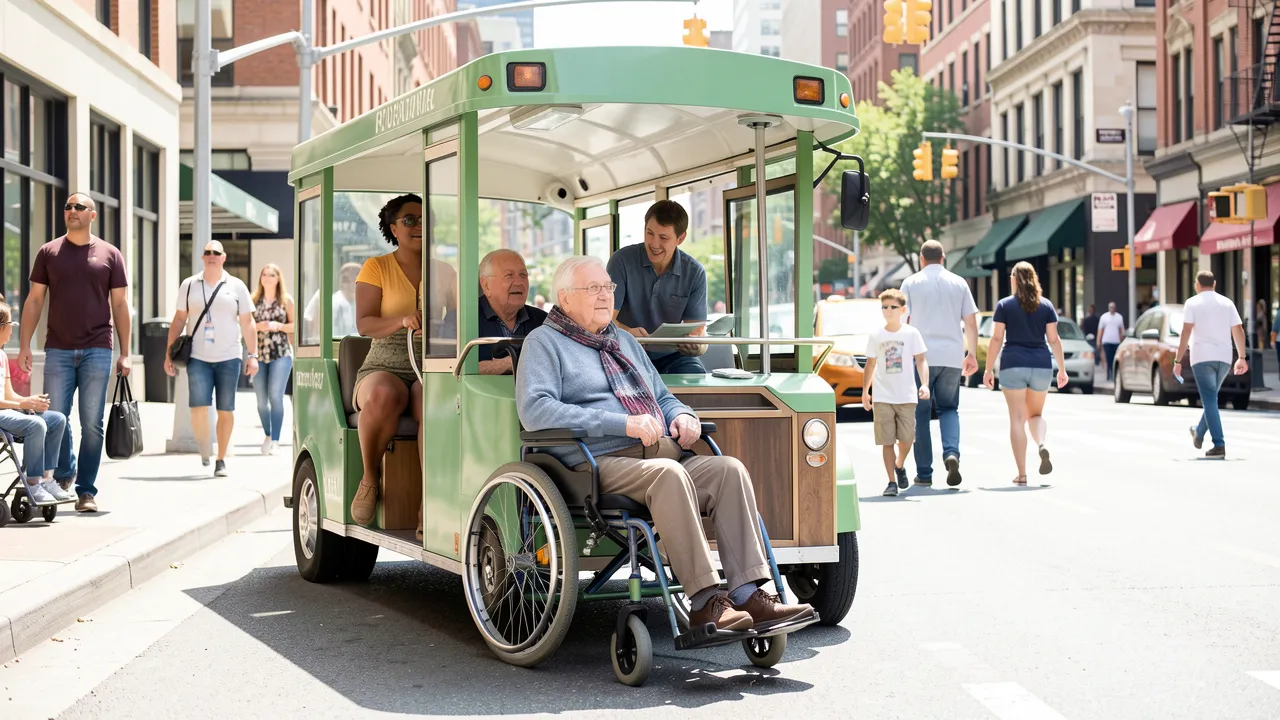
A senior-friendly community is not defined only by the number of retirement residences. It depends on whether residents can reach shops, parks, medical appointments, social venues, and public transport safely. During consultation, residents may raise detailed questions about pavement widths, dropped kerbs, benches, lighting, public toilets, accessible bus stops, and the maintenance of walking routes.
A proposal should be assessed beyond its site boundary
A planning application may appear modest when viewed only on a map. Its wider effects may be felt along surrounding streets, at the nearest bus stop, or in the local park. Families can therefore ask whether the project will change traffic volumes, delivery activity, construction noise, drainage, air quality, or access to care services.
The table below outlines common local proposals and questions that may be particularly relevant to retirement-living residents.
| Type of proposal | Potential effect on older residents | Useful consultation questions |
|---|---|---|
| New community housing | More local homes and services, but possible construction disruption | Will accessible homes be included? How will noise and dust be managed? |
| Road or transport changes | Better connections or more difficult crossings | Are crossings timed appropriately? Are bus stops sheltered and step-free? |
| Green-space redevelopment | New amenities or loss of quiet, shaded areas | Which trees will be retained? Are paths, seating, and toilets accessible? |
| Care-facility development | Closer health support, increased local traffic | How will pedestrian access, emergency vehicles, and parking be managed? |
| Mixed-use regeneration | More shops and activity, changing character of the area | Will affordable services and safe routes remain available? |
Prior consultation under the Environmental Code has a specific purpose
In France, prior consultation under the Environmental Code refers to procedures designed to involve the public early enough for views to inform the development of a project, plan, or programme. Depending on the proposal and its likely impacts, the process may involve a project owner, the National Commission for Public Debate, a guarantor, local authorities, and members of the public.
The purpose is broader than collecting objections. Prior consultation can identify alternatives, improve the design, clarify environmental risks, and reveal local needs before positions become fixed. For retirement-living communities, early participation is especially valuable because mobility limitations, caregiving arrangements, and daily service needs may not be obvious in technical project documents.
Different forms of consultation serve different stages
Not every proposal follows the same route. The applicable process depends on the project’s scale, legal framework, environmental effects, and location. Common forms include:
- Early or prior consultation, held while options can still be adjusted.
- Public consultation, often based on published documents and written contributions.
- Public inquiry, a formal procedure led by an independent investigating commissioner in certain cases.
- Urban planning consultation, linked to local plans, zoning, development areas, or planning policies.
- Targeted workshops and public meetings, which can gather local knowledge in a more interactive setting.
- Digital participation, including online registers, maps, questionnaires, and virtual meetings.
A public meeting can be useful, but it should not be the only channel. Written and online options matter for people who cannot travel, have caring responsibilities, or need time to review technical material with relatives.
Constructive participation produces clearer and more useful submissions
Residents and families can take part effectively without using specialist planning language. Start by reading the project summary, plans, environmental assessment, timetable, and instructions for submitting comments. Focus on effects that can be observed and explained: a missing pedestrian crossing, a steep path, loss of shade, reduced bus access, or a service gap.
A strong contribution is specific, respectful, and linked to the proposal. Rather than stating that a project is unsuitable, explain which element creates a problem, who may be affected, and what adjustment could help. For example, residents might request a continuous step-free route from a retirement residence to a pharmacy, with seating at regular intervals and safe crossing points.
Keep a copy of your submission and note the consultation deadline. When consultation closes, look for the published report, meeting record, or response document. These materials should indicate the issues raised and the way the project owner or authority intends to address them.
Meaningful consultation can support age-friendly local development
Environmental consultation gives older residents a legitimate place in decisions that shape homes, streets, green spaces, transport, and care provision. It works best when information is accessible, participation begins early, and feedback receives a visible response.
Key points to retain include:
- Consultation allows public views to inform local proposals before decisions are final.
- Urban planning discussions can cover housing, mobility, public space, and essential services.
- Prior consultation under the Environmental Code may enable the public to influence options at an early stage.
- Clear, evidence-based comments about daily access and safety are more persuasive than general statements.
- Accessible formats and multiple participation methods help retirement-living residents and families take part fairly.